Bone China vs. Porcelain vs. Stoneware: Which Ceramic Plates Offer the Best ROI?
Deciding between Bone China, Porcelain, or Stoneware? This professional guide compares durability, cost, and ROI for Ceramic Plates to help restaurant owners make the smartest procurement choice for 2026.
The Billion-Dollar Question: Material vs. Profitability
In the hospitality industry, Ceramic Plates are not just serving vessels; they are depreciating assets that directly impact your bottom line. Choosing the wrong material can lead to a high "replacement rate," eating into your monthly margins. To achieve the best ROI (Return on Investment), procurement managers must look beyond the initial price tag and understand the technical differences between Bone China, Porcelain, and Stoneware.
1. Bone China: The Gold Standard of Luxury
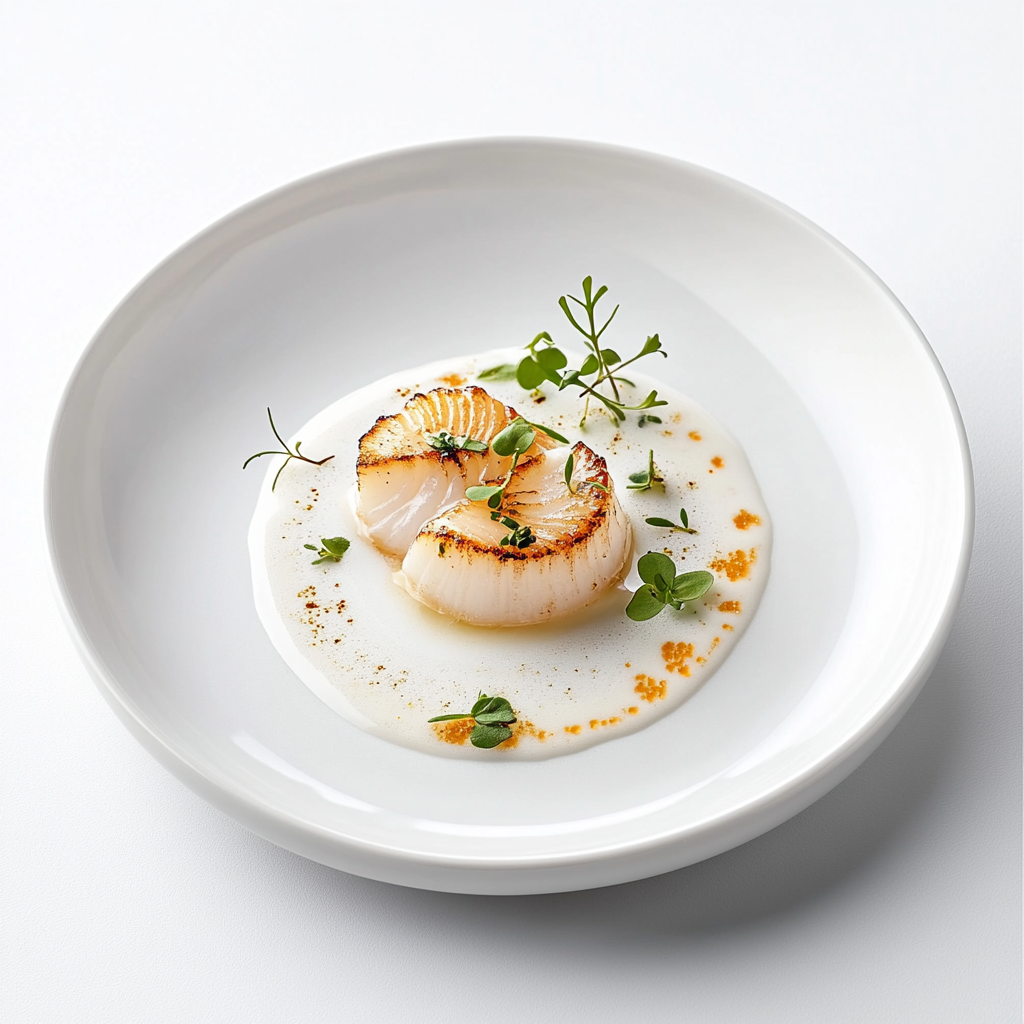
Often found in Michelin-starred establishments and high-end hotel banquet halls, Bone China is the most expensive tier of Hospitality procurement.
The Composition: Contains at least 25% (often up to 45%) bone ash, creating a milky white translucency and incredible strength despite its thin profile.
ROI Factor: While the initial cost is high, Bone China offers a prestige that allows for higher menu pricing. However, it is less suited for high-turnover casual dining due to its perceived delicacy.
Best For: Fine dining and formal wedding venues where the "clink" of luxury is part of the experience.
2. Porcelain: The Workhorse of the Industry
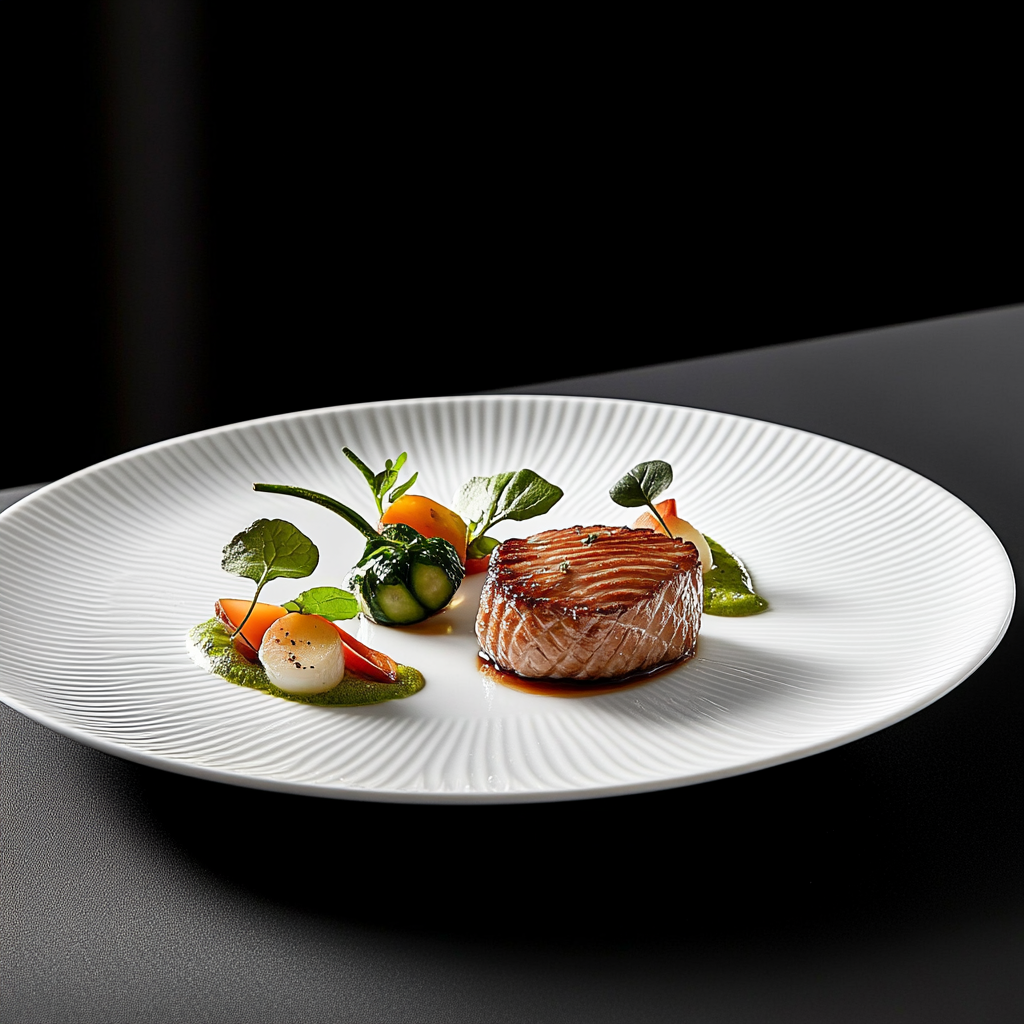
If you are looking for Commercial dinnerware sets that balance elegance with extreme durability, Porcelain (specifically reinforced alumina porcelain) is the undisputed champion.
The Composition: Fired at temperatures exceeding $1,300°C$, resulting in a non-porous, vitrified surface that is incredibly resistant to thermal shock and mechanical impact.
ROI Factor: Porcelain offers the best long-term value. It has the lowest "chipping rate" in industrial dishwashers. For those purchasing Bulk restaurant plates, Porcelain provides the most predictable replacement cycle.
Best For: High-volume bistros, hotel all-day dining, and mid-to-high-tier restaurant chains.
3. Stoneware: The Artisan’s Choice for 2026
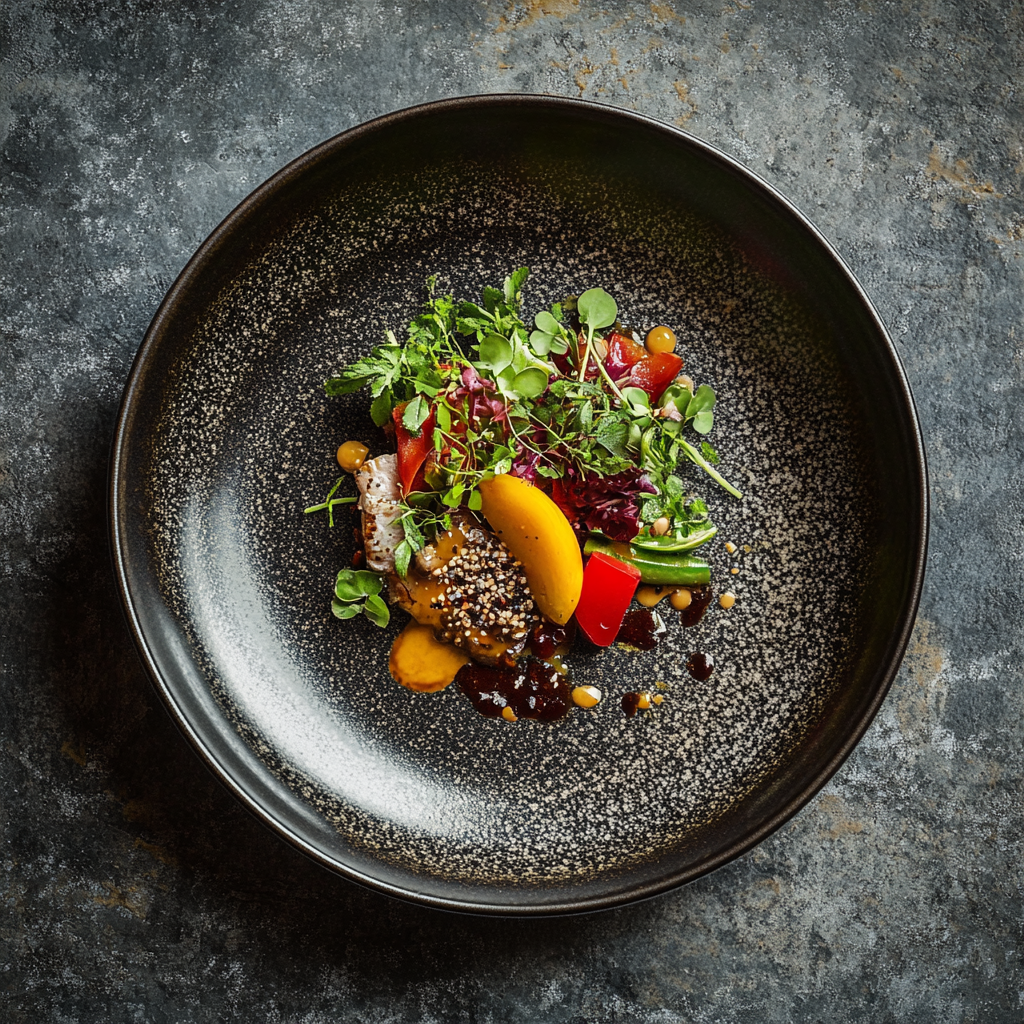
Stoneware is currently dominating 2026 Tableware Trends due to the rise of "organic" and "farm-to-table" aesthetics.
The Composition: Fired at slightly lower temperatures than porcelain, it is opaque and thicker, often finished with reactive glazes that create unique patterns on every piece.
ROI Factor: Stoneware is excellent for branding. It makes simple dishes look "artisanal," justifying a premium price point for casual-concept menus. However, it is generally heavier and may take up more storage space.
Best For: Trendy cafes, farm-to-table concepts, and restaurants where "texture" is a key part of the brand identity.
The Verdict: Which Material Wins for Your Business?
Achieving the best ROI on your Ceramic Plates depends on your service model:
For High-Volume Chains: Invest in Reinforced Porcelain. The low breakage rate will save you thousands in annual replacement costs.
For Premium Branding: Opt for Stoneware. The visual impact on social media and the "handcrafted" feel can significantly boost guest satisfaction and repeat visits.
For High-End Banquets: Stick to Bone China. The lightweight nature reduces staff fatigue during large-scale service, and the prestige is unmatched.
Conclusion
The secret to a successful Hospitality procurement strategy is not finding the cheapest plate, but the one that lasts the longest under your specific operational stress. Whether you choose the refined elegance of Bone China, the industrial strength of Porcelain, or the earthy soul of Stoneware, ensure your supplier provides commercial-grade certifications. In the 2026 market, the smartest operators are those who treat their tabletop as a key driver of both aesthetic value and financial stability.


