The Timeless Appeal of the Circle in Gastronomy
In the fast-evolving world of Restaurant Tableware, trends in shapes and silhouettes often cycle through the industry. While hexagonal, slate, and asymmetric organic forms frequently capture the spotlight for a season, the classic round plate remains the undisputed gold standard of professional service.
The circle is not merely a traditional choice; it is a functional and psychological tool. From the geometry of the eye to the logistics of a high-volume kitchen, the round plate serves as the ultimate canvas for culinary expression.
1. The Psychology of the "Visual Anchor"
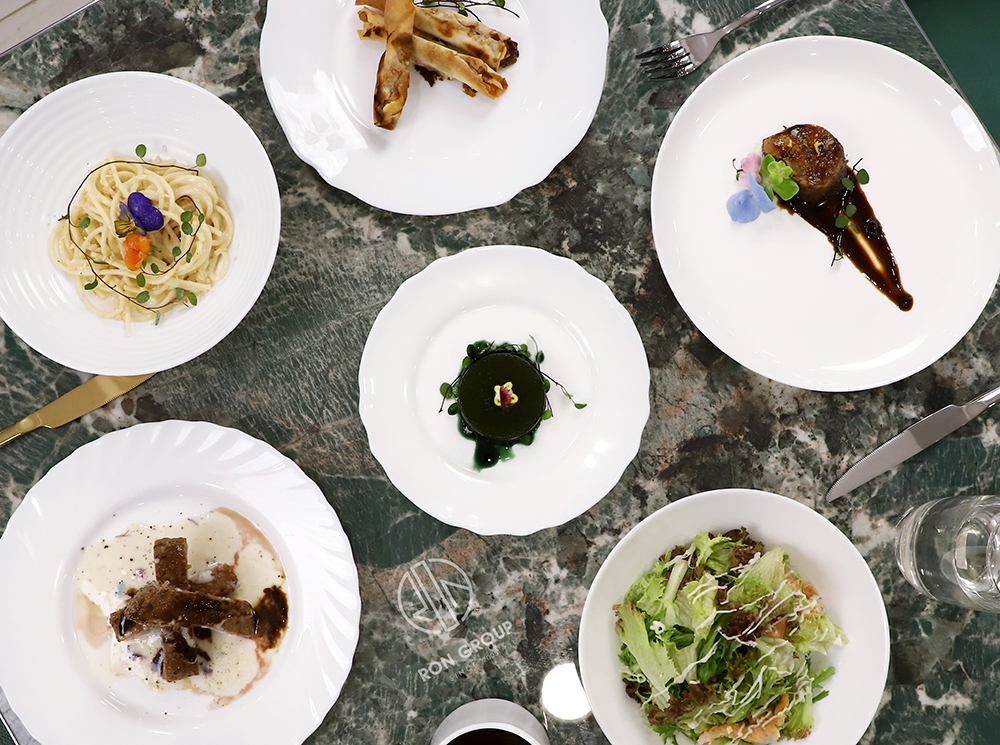
The primary reason round dinnerware sets dominate fine dining is rooted in human visual perception. Unlike rectangular or square plates, which have sharp angles that draw the eye toward the corners, a circle directs all attention inward.
Centralized Focus: A circular rim provides a natural frame that acts as a visual anchor. When a protein or a centerpiece is placed in the center of a Ceramic Plate, the equidistant edges create an immediate sense of harmony and balance.
Framing the "Art": For chefs, the round plate minimizes distractions. It allows the textures, colors, and height of the food to be the exclusive focus of the guest, creating a "stage" effect that angular plates often disrupt.
2. Mastering Negative Space: A Plating Masterclass
Modern fine dining plating techniques rely heavily on the strategic use of negative space—the empty area surrounding the food.
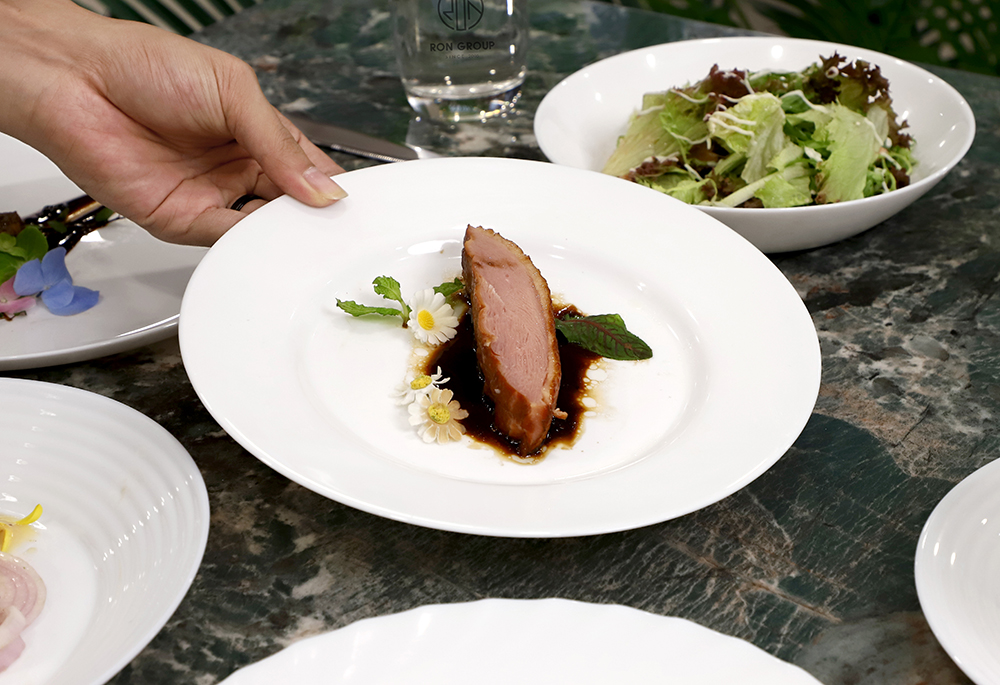
The Power of the Rim: High-end professional chef tableware often features exaggerated wide rims. This creates a vast "moat" of negative space that signals luxury and precision.
Texture and Light: In 2026, the industry is seeing a shift toward matte and satin finishes in bulk restaurant plates. A matte round plate absorbs light, preventing the harsh reflections common on glossy surfaces. This allows the glossiness of a glaze or the moisture of a fresh garnish to stand out in high relief.
3. Operational Excellence: The Engineering Behind the Shape
Beyond the front-of-house aesthetics, the engineering of commercial dinnerware sets favors the circle for several critical operational reasons:
Heat Retention and Distribution: Circles have the most efficient surface-area-to-volume ratio for maintaining temperature. Round plates heat more evenly in plate warmers and hold that heat longer at the table compared to plates with thin, exposed corners.
Durability and Longevity: Corners are the weakest points of any ceramic piece. Round edges are inherently more resistant to chipping during high-speed service and industrial dishwashing cycles. This structural integrity is a primary driver for procurement managers when selecting bulk restaurant plates.
Stackability and Ergonimics: Round plates offer superior "nesting" capabilities. They can be stacked higher and more securely, maximizing vertical storage in cramped urban kitchens and reducing the risk of breakage during transport.
4. Choosing the Right Palette for 2026
As we look toward upcoming trends, the "New Neutral" is taking hold. While classic bone white remains essential, professional kitchens are increasingly adopting earthy, muted tones—such as slate grey, sage, and terracotta—in circular forms. These tones, when applied to a round Ceramic Plate, bridge the gap between traditional elegance and modern organic design, allowing for a versatile presentation that suits both rustic and avant-garde menus.
Conclusion: The Enduring Legacy of the Round Plate
Innovation in Restaurant Tableware is vital for the growth of the industry, yet the enduring legacy of the round plate is a testament to its perfection. It is a shape that respects the ingredients, empowers the chef, and streamlines the operation.
For the modern restaurateur, investing in high-quality round dinnerware sets is a commitment to a timeless aesthetic that transcends fleeting fads. By understanding the visual and functional science behind the circle, culinary professionals can ensure their tabletop remains as sophisticated and efficient as the food they serve.


