Why Ceramic Plates Chip So Easily in Busy Restaurants — And How to Choose Chip-Resistant Dinnerware
A guide for choosing chip-resistant ceramic dinnerware, focusing on material density, reinforced rims, glaze quality, and operational benefits for busy restaurants.
High-traffic restaurants depend on chip-resistant ceramic dinnerware to maintain smooth operations and consistent presentation. Frequent stacking, fast plating, and repeated dishwashing cycles place continuous stress on tableware, making durability a non-negotiable feature for commercial environments. Understanding the structural factors that influence chip resistance helps buyers make informed and cost-effective decisions.
Chip resistance begins with body density. Vitrified porcelain and high-fired stoneware offer superior strength due to their low porosity and controlled thermal expansion. These materials withstand temperature transitions and heavy handling significantly better than lower-density ceramics.
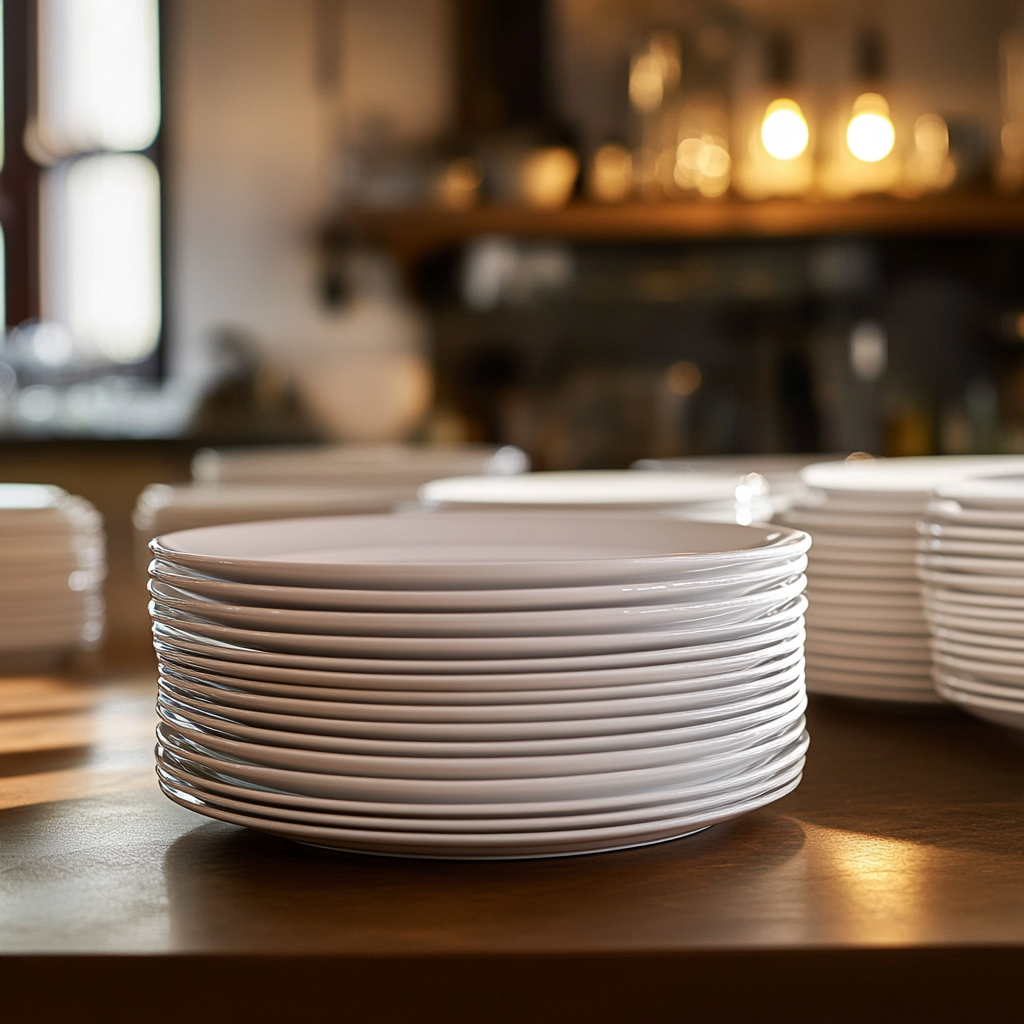
Rim engineering plays a critical role. Commercial-grade plates often feature reinforced rims, rounded edges, and thicker impact zones, designed to disperse force when colliding with other plates or stainless-steel surfaces. These design details dramatically reduce breakage rates, especially in busy kitchens where speed is essential.
The quality of the glaze also influences chip resistance. High-performance glazes seal the ceramic body, preventing micro-cracks from developing. They offer enhanced protection against utensil abrasion, thermal shock, and metal marking. Restaurants that rely on consistent plating benefit from glazes that maintain their clarity and color even after years of use.
Chip-resistant dinnerware reduces replacement frequency, stabilizes inventory, and preserves the restaurant’s visual standards. For operators managing large teams or high volume, durable ceramic dinnerware is both a strategic investment and an operational advantage.


