Are Textured Ceramic Plates Practical for Restaurants? Design Impact vs Daily Use
An explanation of why textured ceramic plates strengthen modern food presentation, covering reactive glazes, depth, contrast, and plating advantages.
Texture has become one of the most influential design elements in modern ceramic dinnerware. As restaurants shift toward more expressive plating styles, textured ceramic plates offer chefs a visually dynamic canvas that enhances color contrast, ingredient freshness, and overall presentation depth.
Unlike flat glossy plates that create uniform reflections, textured surfaces introduce a subtle interplay of light and shadow. This three-dimensional character adds natural drama to plated dishes, making proteins appear more defined and vegetables more vibrant. The tactile surface also reinforces an artisanal atmosphere, blending well with contemporary, rustic, Nordic, and fusion dining concepts.
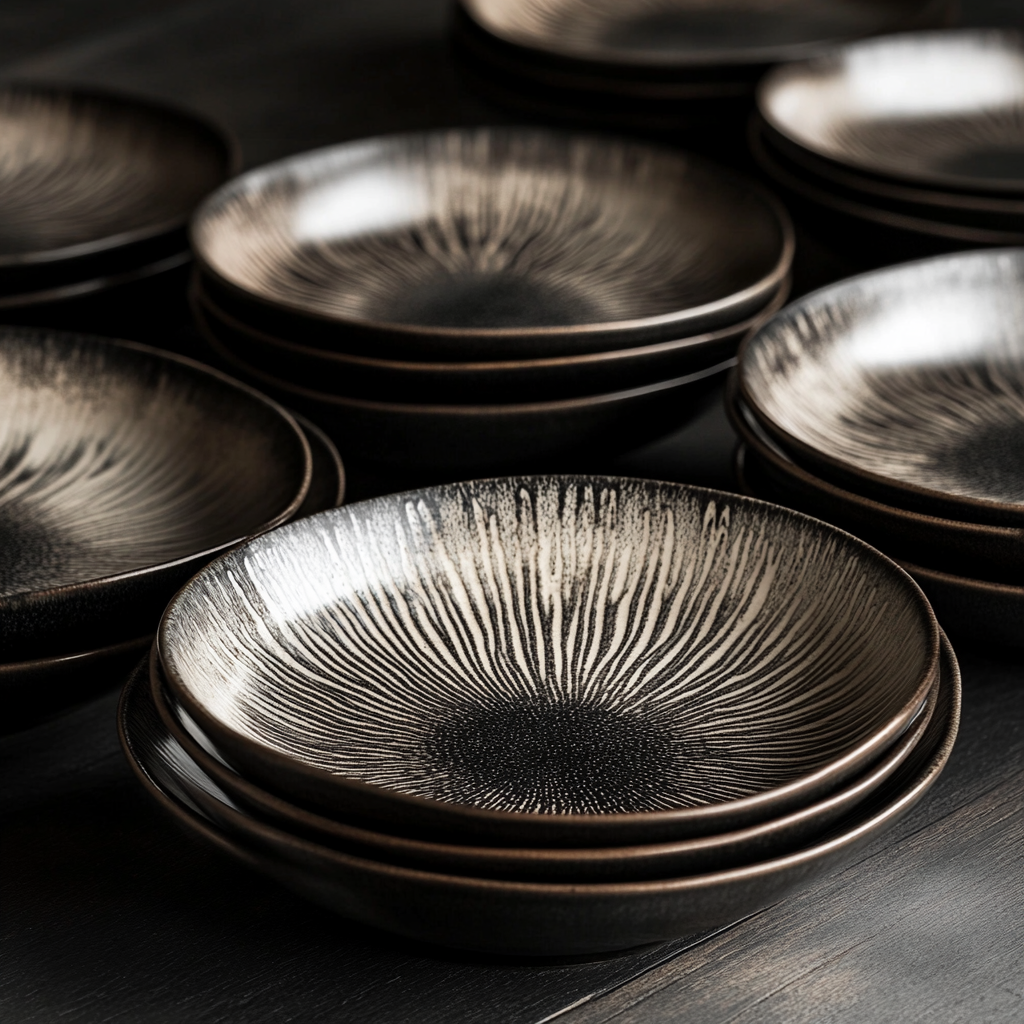
High-quality textured glazes—especially reactive, stone-textured, and speckled finishes—bring character without distracting from the food. These finishes provide excellent scratch resistance, strong color stability, and a handcrafted visual identity, which are ideal for restaurants seeking to differentiate their presentation style.
Beyond aesthetics, texture influences plating strategy. Chefs often favor coupe-style textured plates for dishes that require visual depth, while linear or rippled patterns complement modern fine dining compositions. When thoughtfully selected, textured ceramic dinnerware becomes part of the culinary storytelling process, guiding how guests perceive flavor and craftsmanship.
For restaurants aiming to elevate guest experience or strengthen social media appeal, textured plates provide an immediate and lasting impression—one that is both visually distinctive and operationally reliable.


