
In a restaurant, the plate is not just a container. It is the background of the dish, the frame of the chef’s work, and part of the guest’s first impression. Before customers taste the food, they already see the color, shape, and texture of the plate.
That is why choosing the right ceramic dinnerware matters. For restaurants, hotels, cafés, wedding venues, and catering businesses, plate color can influence food presentation, brand style, and even how premium the dish feels. A good plate does not steal attention from the food. It supports the dish and makes the whole table look more professional.
Why Plate Color Matters in Restaurants
Food presentation is a visual language. A clean white plate can make colorful ingredients look fresh and bright. A black ceramic plate can make grilled meat, seafood, and desserts feel more dramatic. Earthy stoneware plates can create a natural, relaxed, and handcrafted feeling.
For commercial dining, this is not only about beauty. The right restaurant plates can help create a consistent dining identity. When guests see the same tone, texture, and table setting across the restaurant, the brand feels more complete.
This is especially important for restaurants that rely on social media exposure. Food photos are shared every day, and the plate often decides whether a dish looks flat or attractive on camera. A well-matched ceramic plate can make the food easier to photograph and more likely to catch attention online.
White Ceramic Plates: The Classic Choice
White ceramic plates are still the safest and most widely used option in restaurants. They work with almost every cuisine, from fine dining and hotel breakfast to casual cafés and banquet service.
The biggest advantage of white porcelain is contrast. Salads, pasta, seafood, desserts, sauces, and colorful garnishes all stand out clearly on a white background. This makes the dish look clean, fresh, and easy to understand.
White plates are also practical for commercial use. They are easy to match with existing bowls, cups, serving platters, and buffet ware. For hotels, chains, and event venues, white porcelain dinnerware is a reliable base because it can support different menus without changing the whole table setting.
However, white plates should not look cheap or too plain. For a more premium table, restaurants can choose plates with a refined rim, coupe shape, soft matte glaze, or subtle embossed texture.
Black Ceramic Plates: Strong Visual Impact
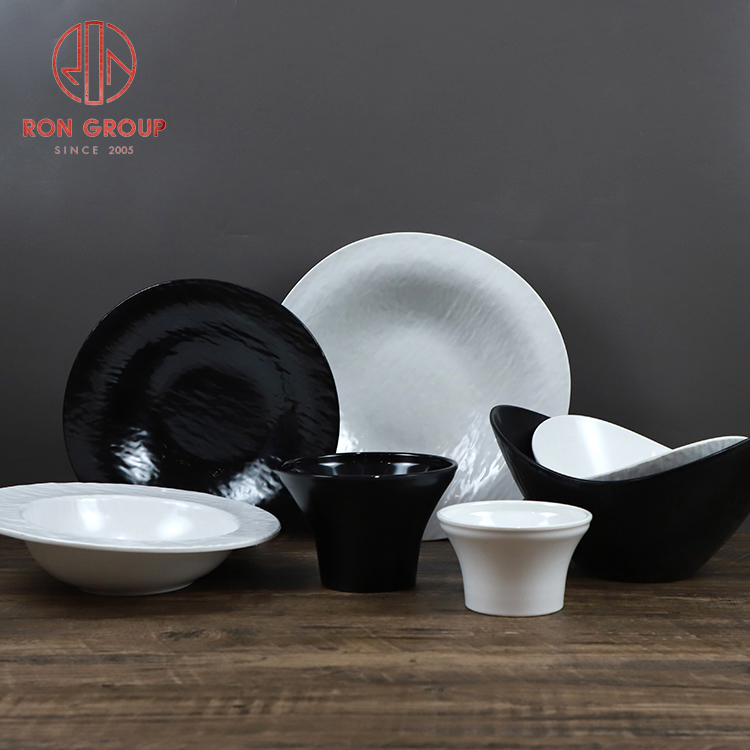
Black ceramic plates create a completely different feeling. They are bold, modern, and more dramatic. They work especially well for steak restaurants, Japanese cuisine, seafood restaurants, tasting menus, cocktail bars, and high-end fusion dining.
Black plates can make light-colored foods stand out sharply. White fish, scallops, sushi, desserts, cream sauces, and bright vegetables often look more premium on a dark background. For grilled food, black plates can also strengthen the sense of fire, smoke, and craftsmanship.
The key is balance. Black dinnerware should be used carefully. If the whole table is too dark, the dining experience may feel heavy. A better approach is to use black plates for signature dishes, sharing platters, or special presentation, while keeping other pieces in white, beige, or grey tones.
Earthy Stoneware Plates: Natural and Modern
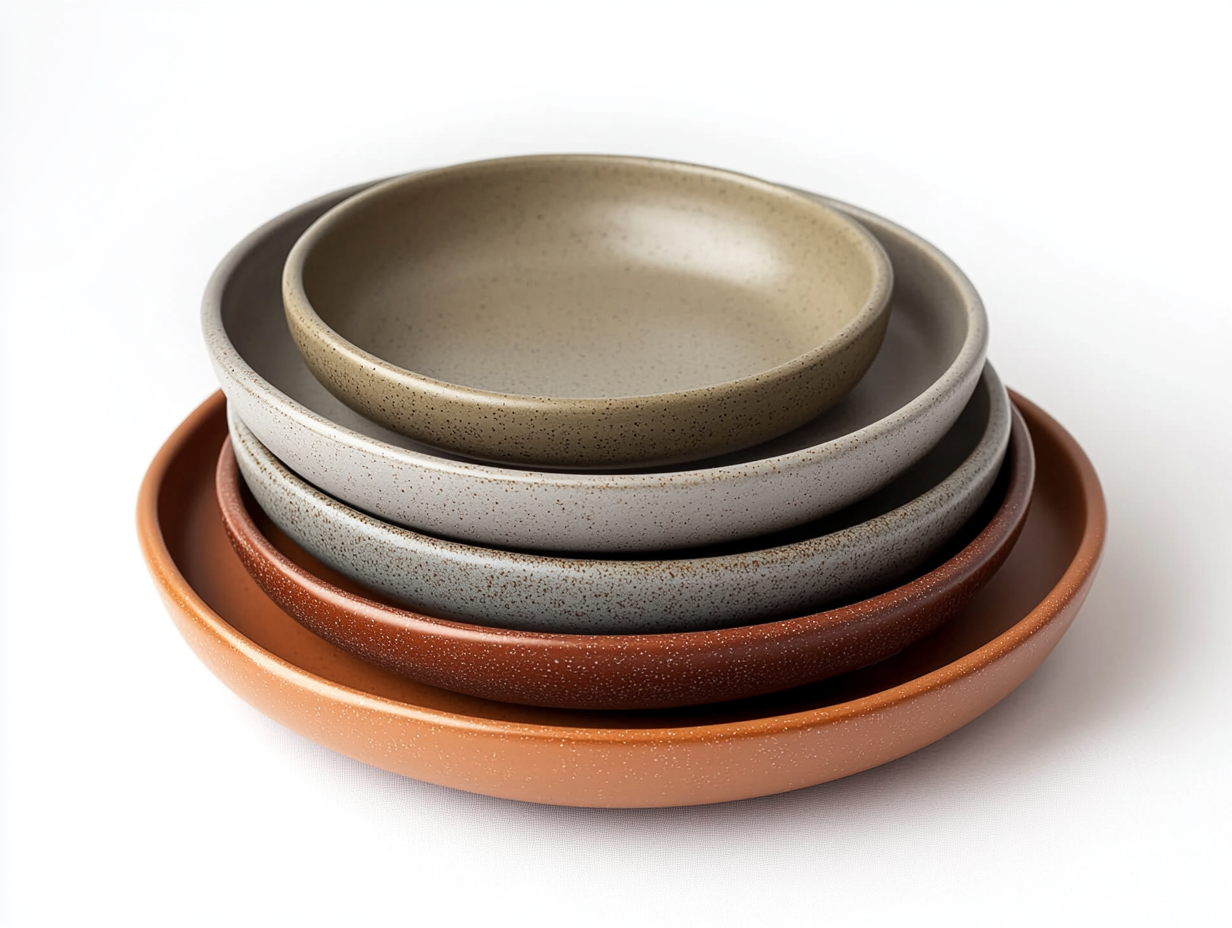
In recent years, earthy tones have become very popular in restaurant table settings. Beige, sand, clay brown, warm grey, olive green, and charcoal are strong choices for modern dining spaces.
These colors work well because they feel warm, calm, and natural. They are especially suitable for brunch cafés, bistros, farm-to-table restaurants, Mediterranean restaurants, modern Asian dining, and boutique hotels.
Stoneware plates often have a heavier and more handmade feeling than traditional porcelain. Their matte surface, speckled glaze, and soft irregular shape can make the table feel more relaxed and authentic. This is why many restaurants now use earthy ceramic dinnerware to create a warmer and more personal dining atmosphere.
For food presentation, earthy plates are also very versatile. Beige plates are good for brunch, bread, pasta, salad, and seafood. Grey plates are suitable for modern plating and tasting menus. Brown and clay tones are strong choices for grilled dishes, meat, roasted vegetables, and rustic cuisine.
Colored Ceramic Plates for Brand Identity
Some restaurants need a stronger visual identity. In this case, custom color ceramic plates can help the brand stand out.
For example, a coastal restaurant may use soft blue ceramic plates to match seafood and ocean-inspired interiors. A modern Chinese restaurant may choose celadon green or warm ivory plates to create a refined cultural tone. A luxury wedding venue may prefer pearl white, champagne beige, or soft pink ceramic dinnerware for a more elegant table setting.
The important point is to keep the color controlled. Restaurant tableware should support the food, not fight with it. Strong colors can be used for accent plates, dessert plates, sharing bowls, or signature dishes, while the main dinnerware set should remain easy to match and practical for daily service.
Glossy or Matte Finish: Which One Is Better?
Both glossy and matte finishes have their place in restaurant ceramic dinnerware.
Glossy porcelain plates look clean, bright, and formal. They are suitable for hotels, banquets, fine dining, and traditional restaurant settings. They are also easier to pair with classic cutlery, glassware, and white tablecloths.
Matte ceramic plates feel more modern and tactile. They are popular in boutique restaurants, cafés, chef-led concepts, and lifestyle dining spaces. Matte surfaces can make the table look softer and more natural, especially when matched with linen napkins, wood tables, and warm lighting.
For commercial buyers, the decision should not be based on appearance alone. Restaurants should also consider cleaning, stacking, scratch resistance, and long-term replacement. A beautiful plate must still perform well in daily restaurant operations.
How to Build a Practical Restaurant Plate Set
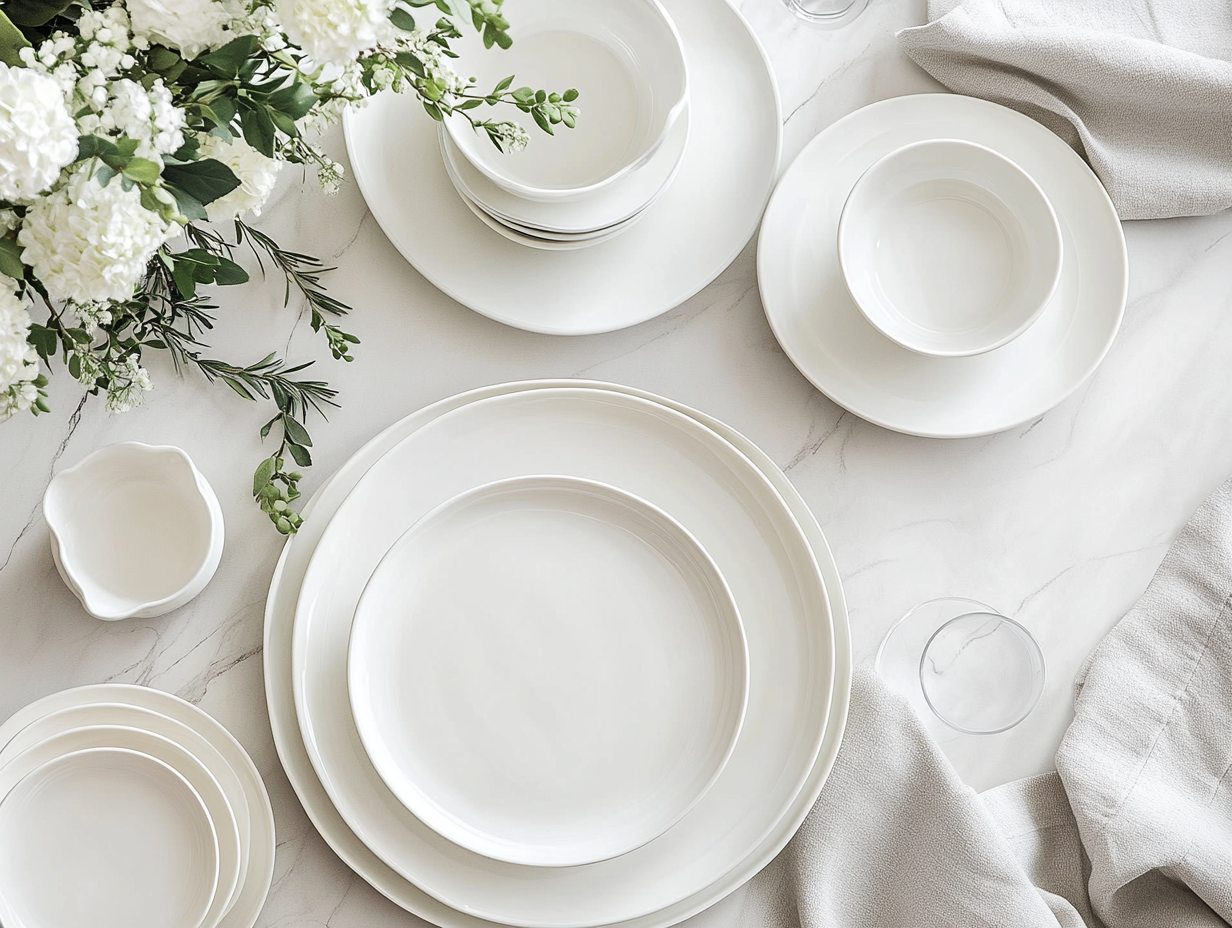
A complete restaurant dinnerware set should not rely on one plate only. It should include the right mix of dinner plates, side plates, pasta bowls, soup bowls, dessert plates, serving platters, and sauce dishes.
The safest method is to choose one main color as the base, then add one or two accent colors. For example, a restaurant can use white porcelain plates for main service, beige stoneware bowls for pasta and salad, and black ceramic plates for signature dishes. This creates variety without making the table look messy.
Size is also important. Large plates may look elegant, but they need enough table space and storage space. Deep bowls may improve plating, but they must match the menu and service style. For busy restaurants, stackability and easy replacement are just as important as appearance.
Custom Ceramic Plates for Restaurants and Hotels
Custom ceramic tableware is a strong choice for restaurants that want a more complete brand experience. A custom logo, special glaze color, unique rim design, or exclusive plate shape can make the table setting more memorable.
For hotels and wedding venues, custom ceramic plates can create a consistent look across restaurants, banquet halls, private rooms, and event tables. For restaurant chains, customized dinnerware helps keep every location visually aligned.
The best custom tableware is not overdesigned. It should look distinctive, but still be easy to wash, stack, store, and reorder. In commercial dining, beauty and function must work together.
Final Thoughts
The best plate color for a restaurant depends on the food, interior style, service type, and brand position. White ceramic plates are classic and versatile. Black ceramic plates create strong visual impact. Earthy stoneware plates bring warmth and modern texture. Custom ceramic plates help build a stronger brand identity.
For restaurants, hotels, cafés, and event venues, the right ceramic dinnerware can improve food presentation, support daily service, and make the dining experience feel more professional. A plate may look simple, but when chosen correctly, it becomes one of the most important details on the table.


Sylvia Liang-Ron Group
86-18098163178
sales19@rongroup.co