The Science of the Rim: Engineering Operational Excellence in Professional Tableware
In professional hospitality, ceramic breakage is a major drain on capital. This article analyzes the engineering behind "Reinforced Rim Design," focusing on how high-alumina porcelain can extend inventory life and yield a significant ROI for high-volume venues. Learn to balance fine-dining aesthetics with the industrial durability required for professional kitchens.
In the high-stakes world of professional hospitality, the dinner plate is more than a canvas for food; it is a critical operational asset. For restaurant owners and procurement officers, the most significant "hidden tax" on profits isn't food waste—it’s the annual breakage rate of ceramic inventory.
Traditional high-end ceramics often sacrifice durability for a delicate silhouette. However, at the professional level, a "delicate" plate that chips in its first week is a liability. The solution lies in a specific engineering detail that defines a premium commercial product: The Reinforced Rim.
1. The Procurement Paradox: Aesthetics vs. Durability
Procurement officers often face a dilemma: choose "thin" porcelain to satisfy plating standards, or "heavy" commercial grade to satisfy the budget.
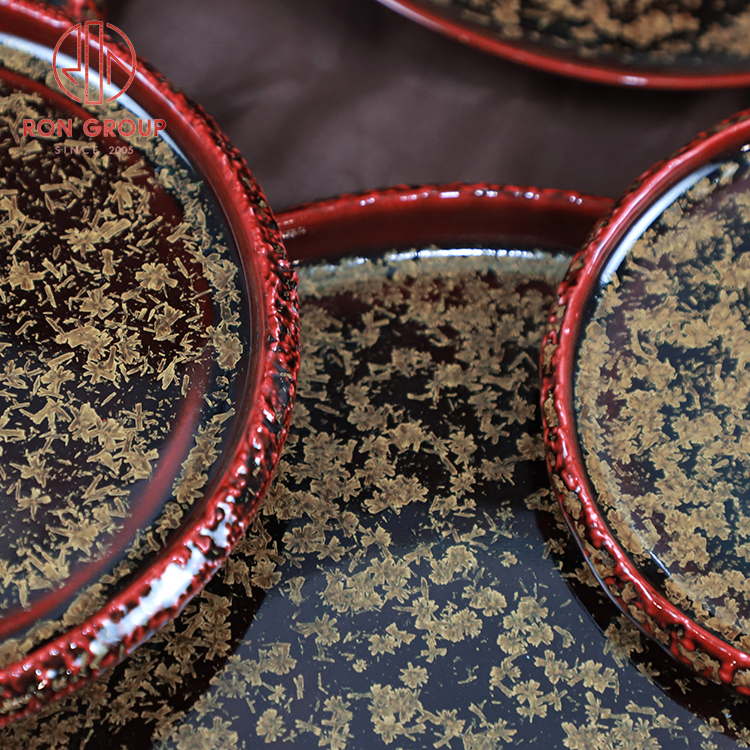
The Impact Zone: 85% of ceramic damage occurs at the edge during high-speed racking and industrial dishwashing.
The Solution: Modern high-alumina porcelain has solved this paradox. By reinforcing the rim’s geometry, commercial-grade plates now offer the sleek, elegant profile of fine dining ware with the impact resistance required for a high-volume kitchen.
2. Material Science: Why High Alumina Content is the Key
When reviewing technical specifications for your next bulk order, the most critical factor is the Alumina (Al₂O₃) content.
Vitrification at 1300°C: High-alumina bodies, fired at extreme temperatures, create a dense, non-porous structure. This makes the plate not only chip-resistant but also hyper-hygienic—a non-negotiable standard for professional venues.
Thermal Shock Resilience: In a busy service, plates transition from cold storage to salamander heaters instantly. Reinforced edge design paired with high-alumina content ensures your assets won’t crack under thermal stress.
3. Calculating the ROI: Slashing Replacement Costs by 30%
In professional catering, we don't look at the purchase price; we look at the Life Cycle Cost.
Standard Porcelain: May have a lower upfront cost but often requires a 40% annual replacement rate due to edge chipping.
Reinforced Edge Porcelain: While the initial investment is strategic, the annual replacement rate typically drops to under 15%.
The Bottom Line: For a venue with a $20,000 tableware inventory, shifting to reinforced designs can yield an annual saving of $5,000+ in replacement spend alone.
4. Protecting Brand Reputation (The "Invisible" ROI)
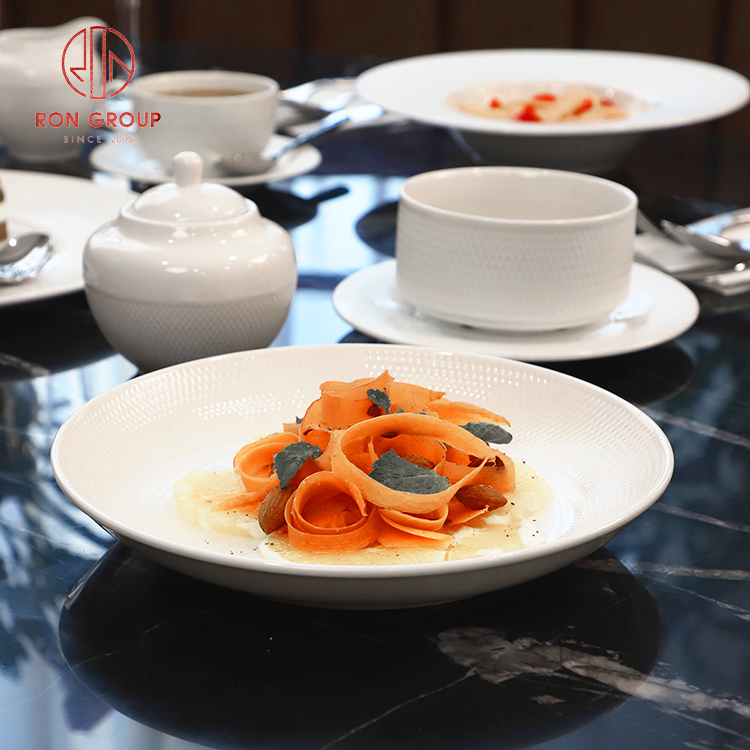
Nothing compromises a "Luxury Dining" experience faster than a guest noticing a tiny chip on the rim of their plate. It signals a lack of care and hygiene.
Consistency in Service: A durable, chip-resistant inventory ensures that your plating remains pristine and professional throughout the busiest seasons.
Staff Efficiency: Lightweight yet reinforced plates reduce server fatigue and are safer to rack, meaning fewer accidents during the high-pressure turnover between service shifts.
Conclusion: Strategic Sourcing for the Modern Venue
As a decision-maker, your choice of tableware is a balance between culinary art and asset management. Investing in Reinforced Rim Design is a strategic business decision that protects your margins while elevating your guest experience.
Invest in durability. Protect your profits. Set a higher standard.


