How Restaurants Choose Ceramic Tableware That Survives Daily Service (Not Just Looks Good)
This article explains how restaurants evaluate ceramic tableware for daily service conditions, focusing on durability, structure, and long-term operational performance.
Why Daily Service Destroys Tableware Faster Than Expected
In real restaurant operations, ceramic tableware is exposed to constant handling, stacking, washing, and impact. Plates that look perfect in showrooms often fail quickly once they enter daily service.
For restaurants, appearance without durability leads to frequent replacement and operational frustration.
What “Daily Service” Really Means for Ceramic Tableware
Daily service is not occasional use. It involves:
Ceramic tableware for restaurants must be designed to survive this routine without losing structure or finish.
Key Features That Help Plates Survive Daily Service
Professional buyers focus on these structural details:
Dense ceramic bodies fired at high temperatures
Balanced weight for stability without excess heaviness
Even glaze coverage to reduce surface wear
These features define durable ceramic plates that maintain consistency over time.
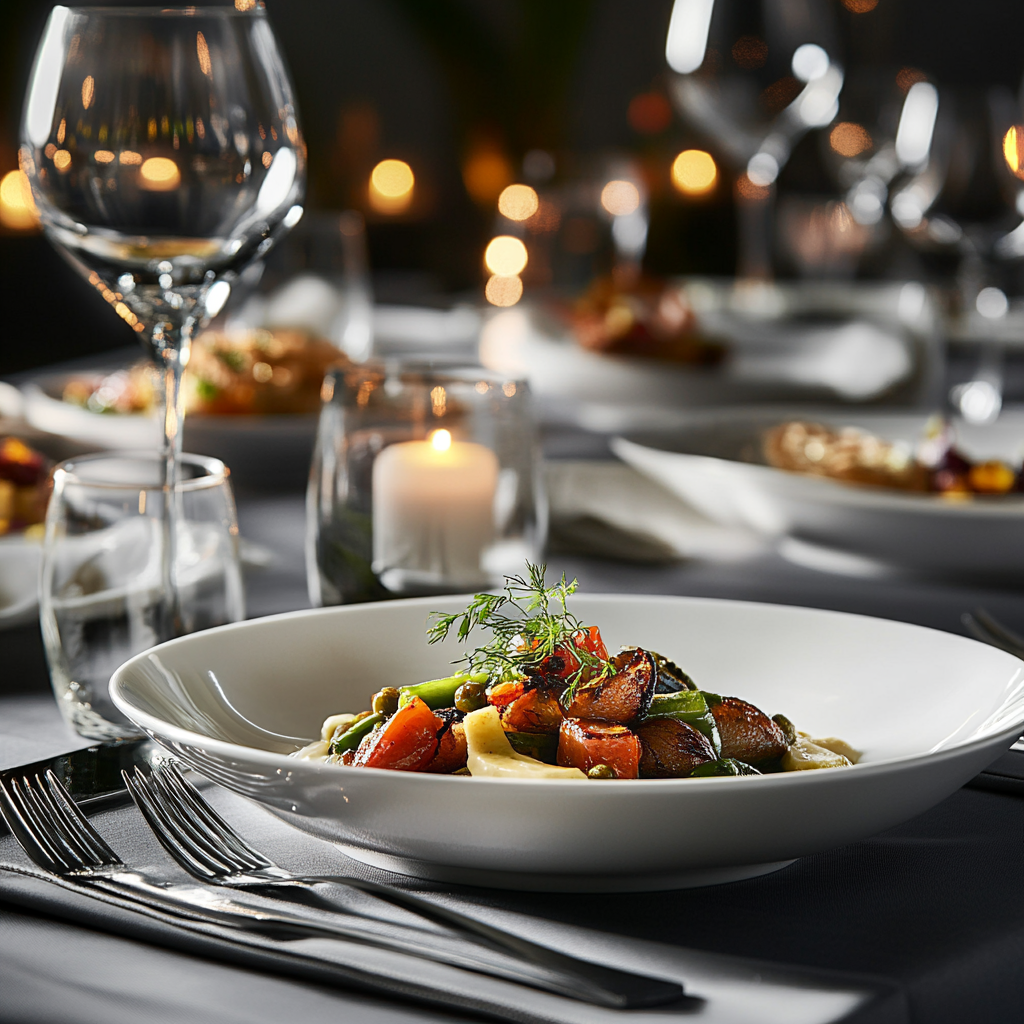
Why “Looks Good” Is Not Enough in Restaurants
Many visually striking plates prioritize thin profiles and decorative finishes. In practice, these designs often increase chipping and cracking.
Restaurant daily use tableware must support service efficiency, not slow it down.
How Restaurants Make the Right Tableware Choice
Successful operators evaluate:
Ceramic tableware that survives daily service protects both brand image and operating cost.
Final Takeaway
Beautiful plates attract attention once.
Durable ceramic tableware supports restaurants every single day.
Choosing the right balance between design and performance is essential for long-term service success.


