Opening a new restaurant requires strategic planning across every operational detail, and tableware selection is one of the most influential decisions. A well-structured ceramic dinnerware set directly supports kitchen workflow, plating consistency, and brand image. Understanding essential pieces, ideal sizes, and cost allocations helps new restaurants build a long-lasting and visually cohesive tableware program.
1. Defining the Core Tableware Pieces
Every restaurant, regardless of cuisine type, needs a foundational set of plates and bowls that cover most menu categories. A typical starter set includes:
10–11 inch entrée plates for mains
8–9 inch appetizer or lunch plates
6–7 inch side plates for bread, salads, or desserts
Deep bowls (700–900ml) for pastas, noodles, curries
Shallow bowls (500–700ml) for salads or rice dishes
Small condiment bowls (100–200ml)
Sharing platters for family-style dining
Selecting these core items ensures that the menu can be plated consistently without excessive variety that increases inventory complexity.
2. Choosing the Right Materials and Glazes
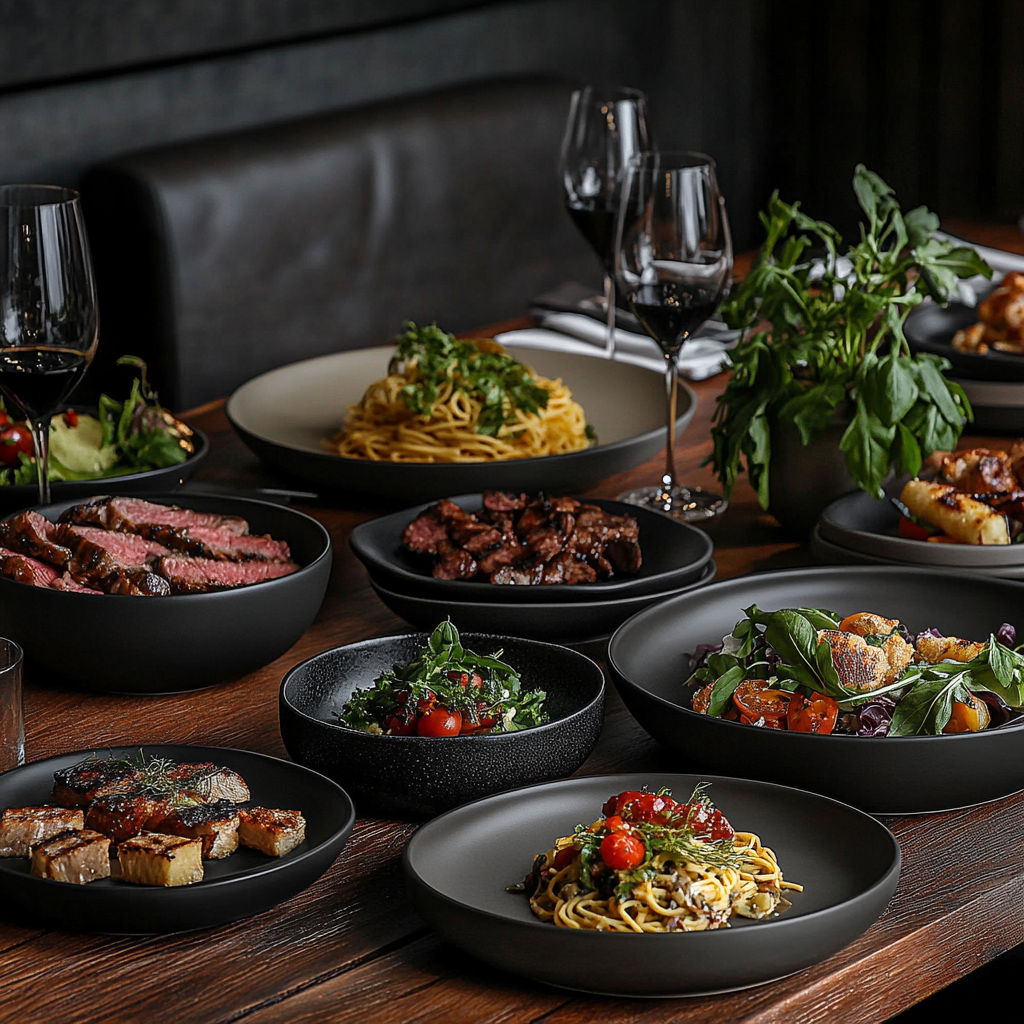
New restaurants benefit most from vitrified porcelain or high-fired stoneware, which offer superior durability and low water absorption. These materials maintain performance under busy service cycles and heavy dishwashing use. Neutral, matte, or reactive glaze finishes help create a consistent brand mood and photograph extremely well for marketing and social media.
3. Establishing Inventory Depth
To avoid service interruptions, restaurants should prepare:
3× to 4× turnover per seat
Extra bowls and plates for peak periods
Backup stock of high-breakage shapes
Stable inventory depth prevents last-minute shortages, especially during weekends or private events.
4. Cost Planning for New Restaurants
A realistic budget typically allocates 3–5% of the opening investment to commercial tableware. While premium ceramic dinnerware may require higher upfront cost, its durability significantly lowers long-term replacement expenses. Custom logo printing or signature glazes can be added gradually once the restaurant stabilizes operations.
5. Building a Cohesive Brand Identity
A unified tableware collection enhances menu presentation, reinforces the restaurant’s aesthetic, and improves customer perception. By coordinating plate shapes, glaze colors, and bowl silhouettes, restaurants create a memorable dining atmosphere that strengthens brand recognition from day one.


