Selecting professional dinnerware is no longer a simple operational decision. For restaurants and hotels, commercial-grade ceramic plates influence brand image, guest satisfaction, plating efficiency, and long-term cost control. To build a durable and visually consistent tableware program, buyers must understand how materials, glazing, weight, and firing processes shape performance in daily service.
The foundation of a reliable plate begins with vitrified porcelain or high-density stoneware. These bodies undergo high-temperature firing that eliminates porosity, creating non-absorbent, scratch-resistant, and chip-resistant surfaces suitable for commercial dishwashers and fast-paced handling. Restaurants should prioritize plates with reinforced rims and stable foot rings, as these structural details significantly extend service life.
Equally important is glaze engineering. A professional glaze should resist metal marking, staining, and color fading after hundreds of wash cycles. Many premium glazes now incorporate improved slip resistance and low-reflection control, helping chefs plate more confidently even under strong warm kitchen lighting.
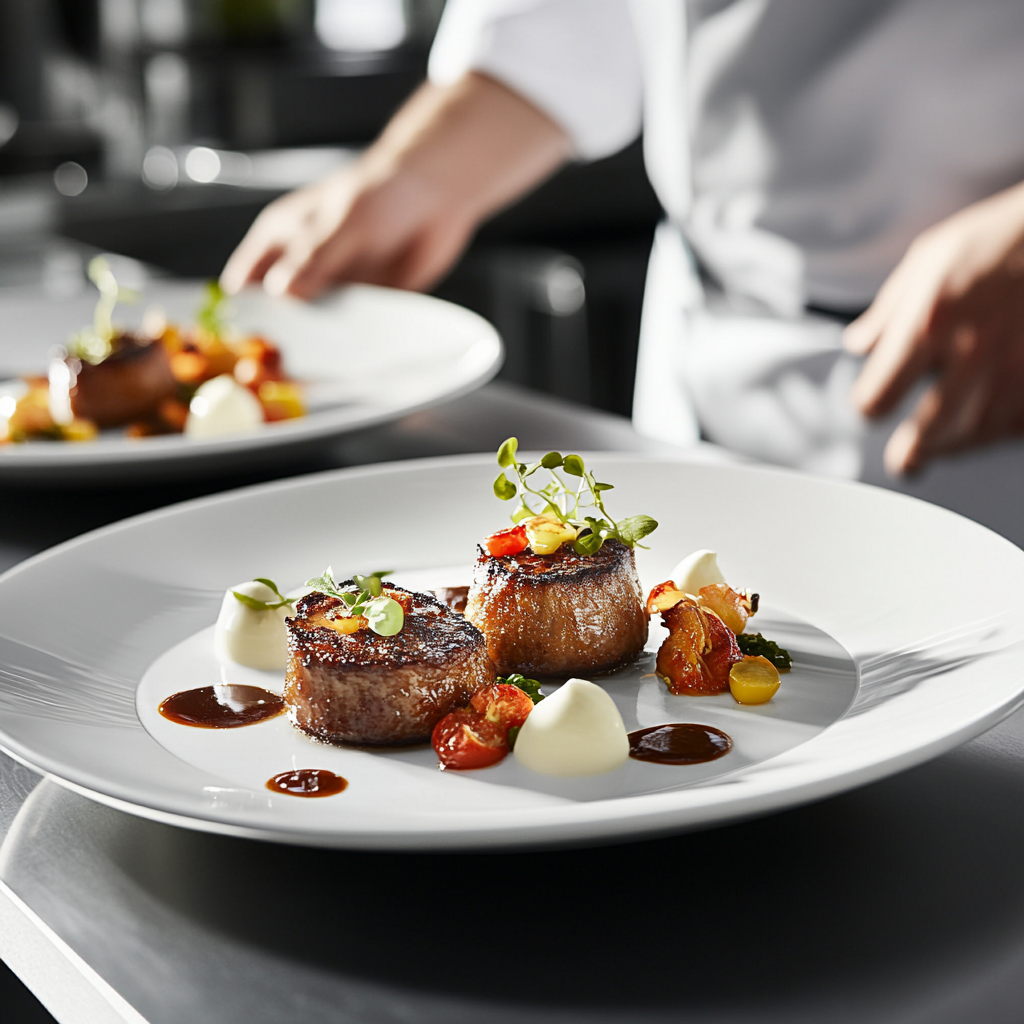
Weight also plays a functional role. Commercial-grade plates must balance sturdiness with ergonomics. Plates that are too heavy slow down service; plates that are too light chip more easily. The ideal weight supports both efficiency and durability, especially for venues with high table-turnover expectations.
Restaurants seeking stronger brand identity can explore custom glaze colors, logo stamping, embossed marks, and signature rim styles. These personalized elements elevate the dining experience and reinforce a cohesive visual language across menus, interiors, and social media photography.
By evaluating durability, glaze performance, weight balance, and aesthetic coherence, hospitality operators can confidently select long-lasting vitrified porcelain plates that deliver both functional value and design consistency.


